ESP
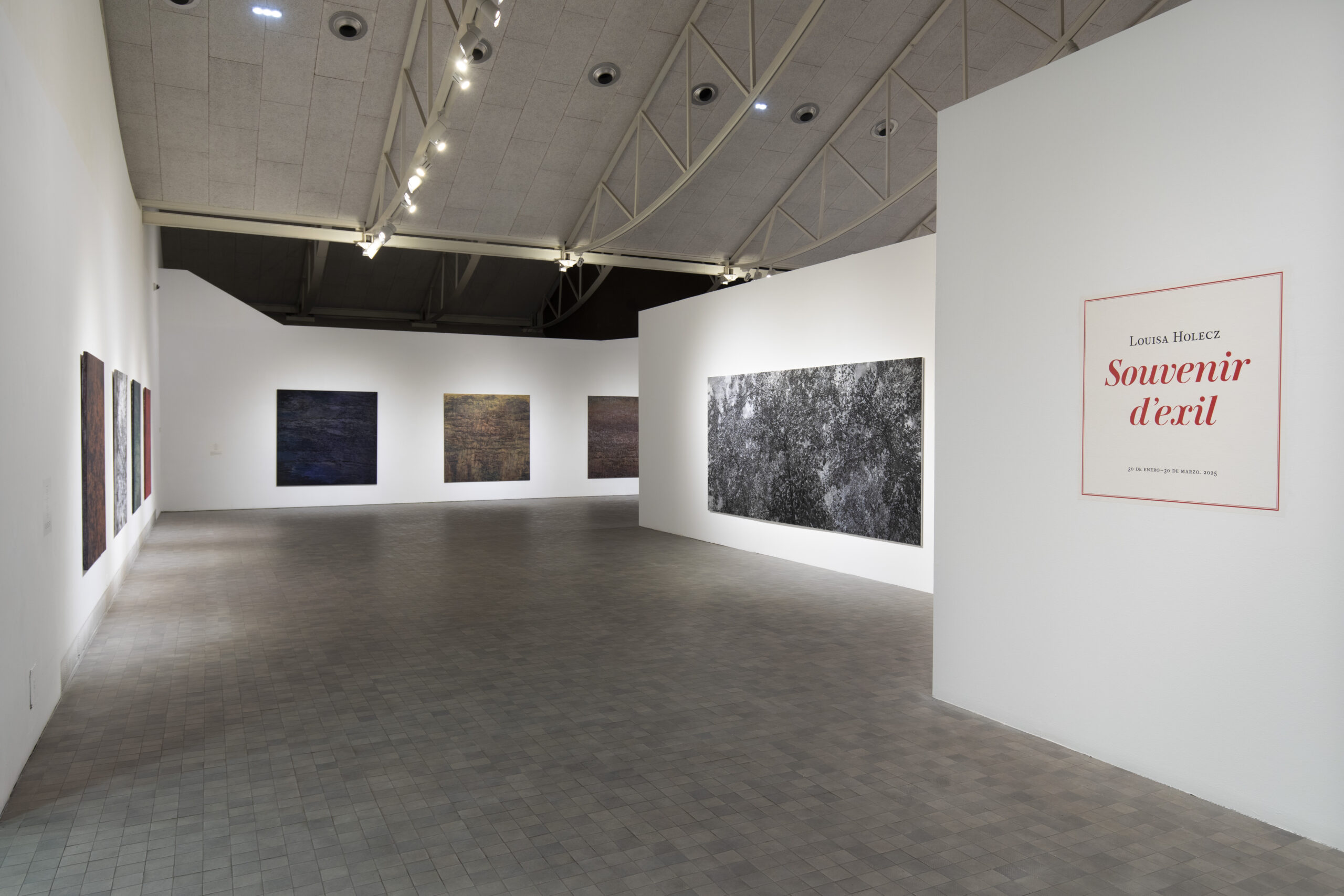
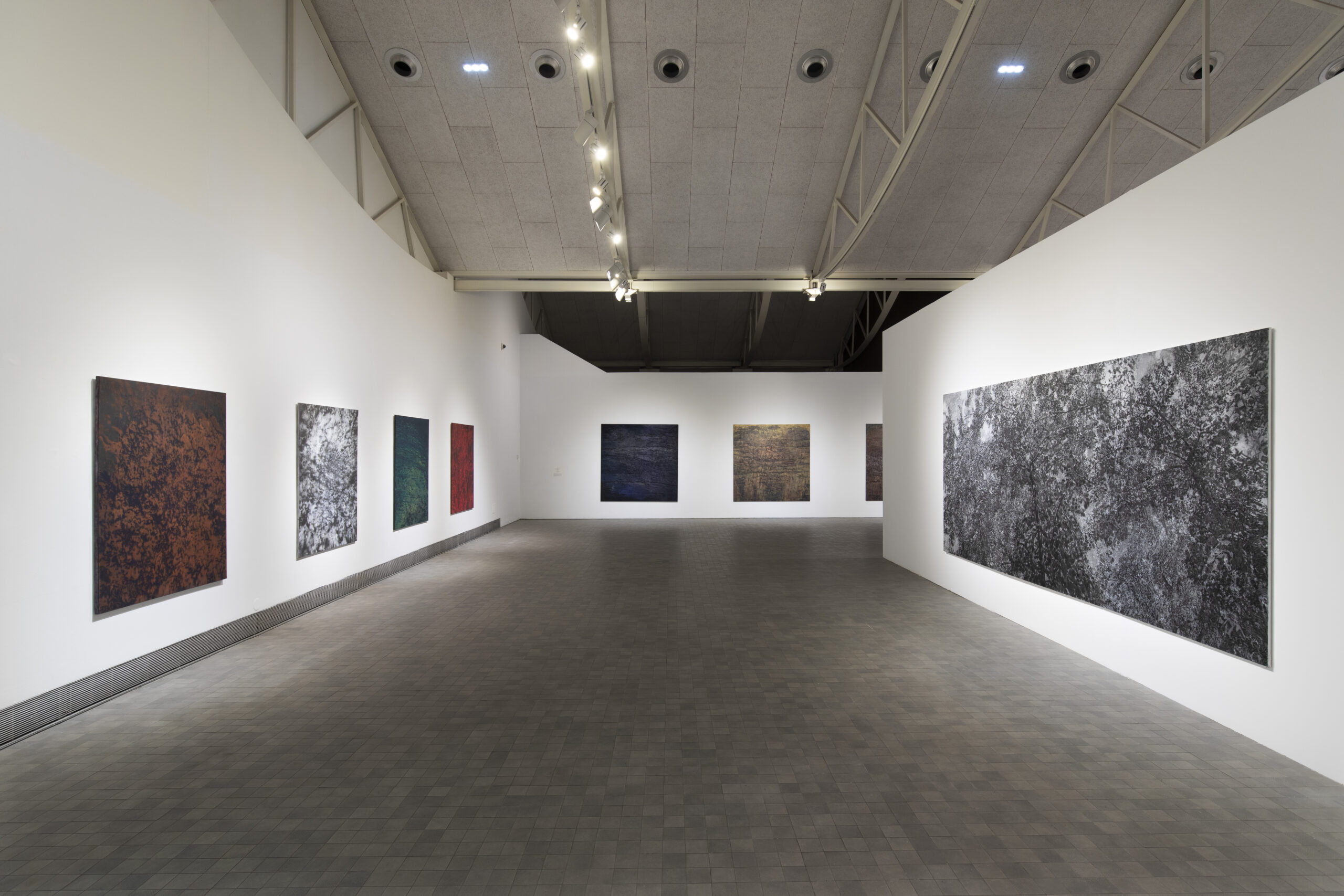
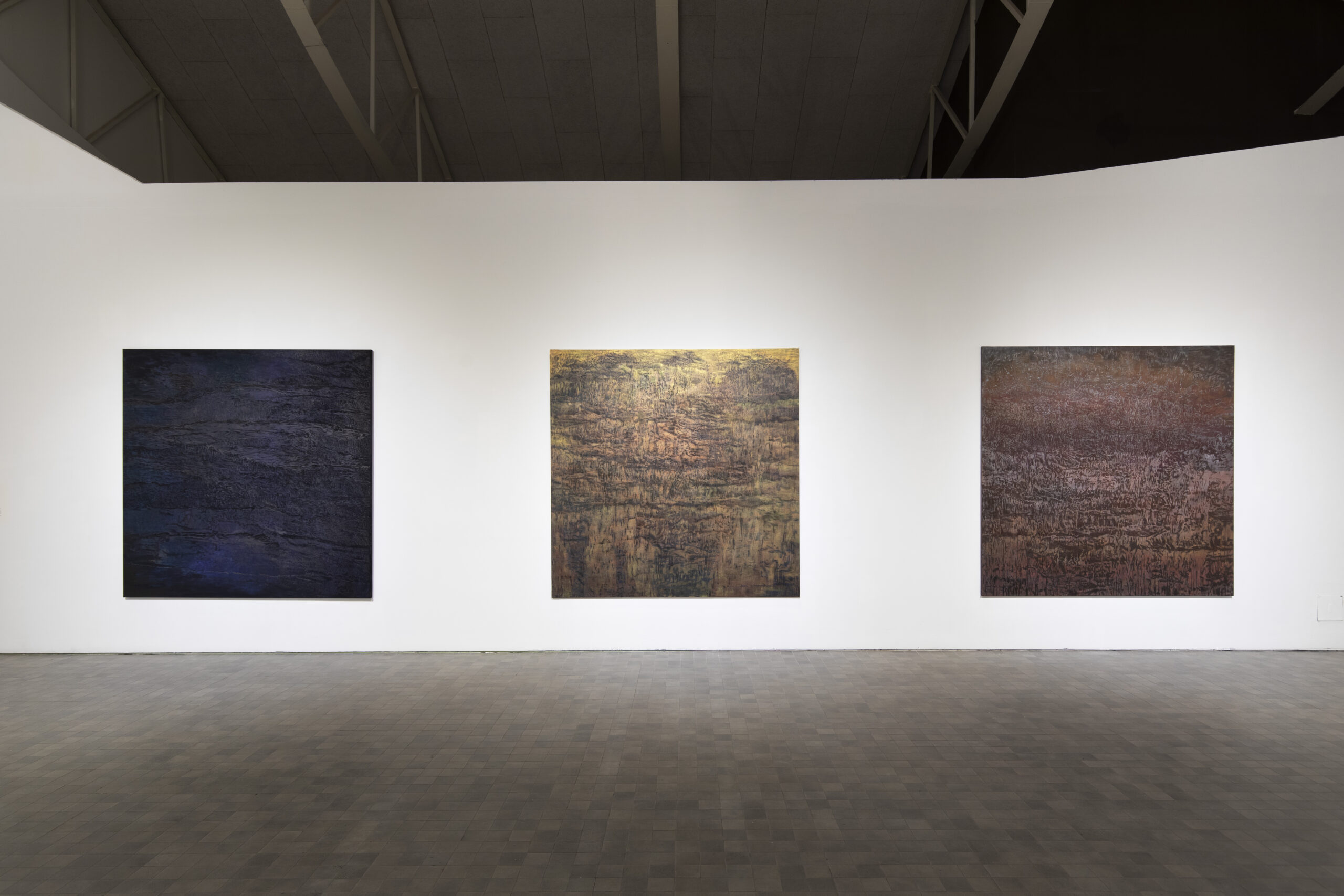
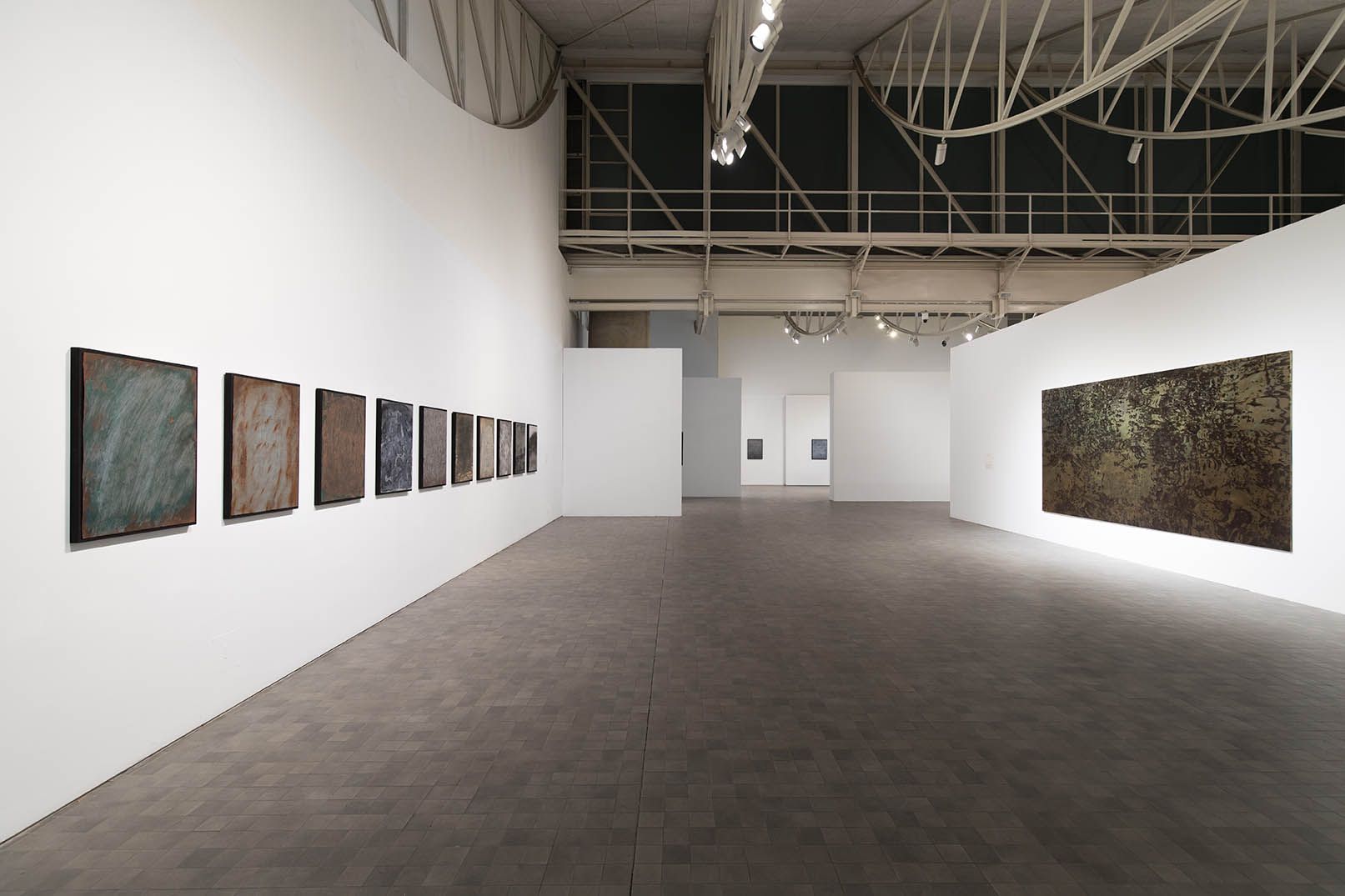
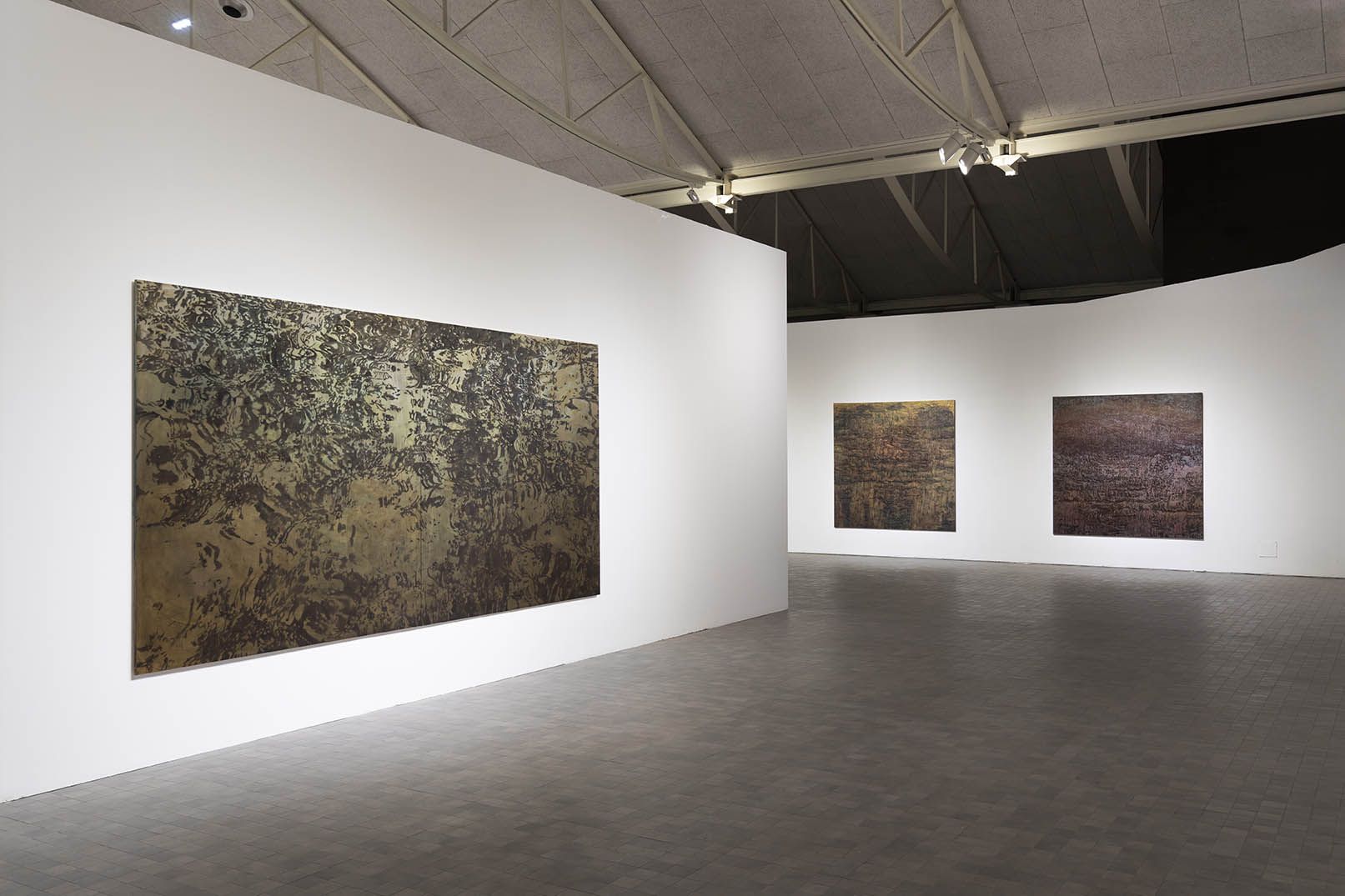
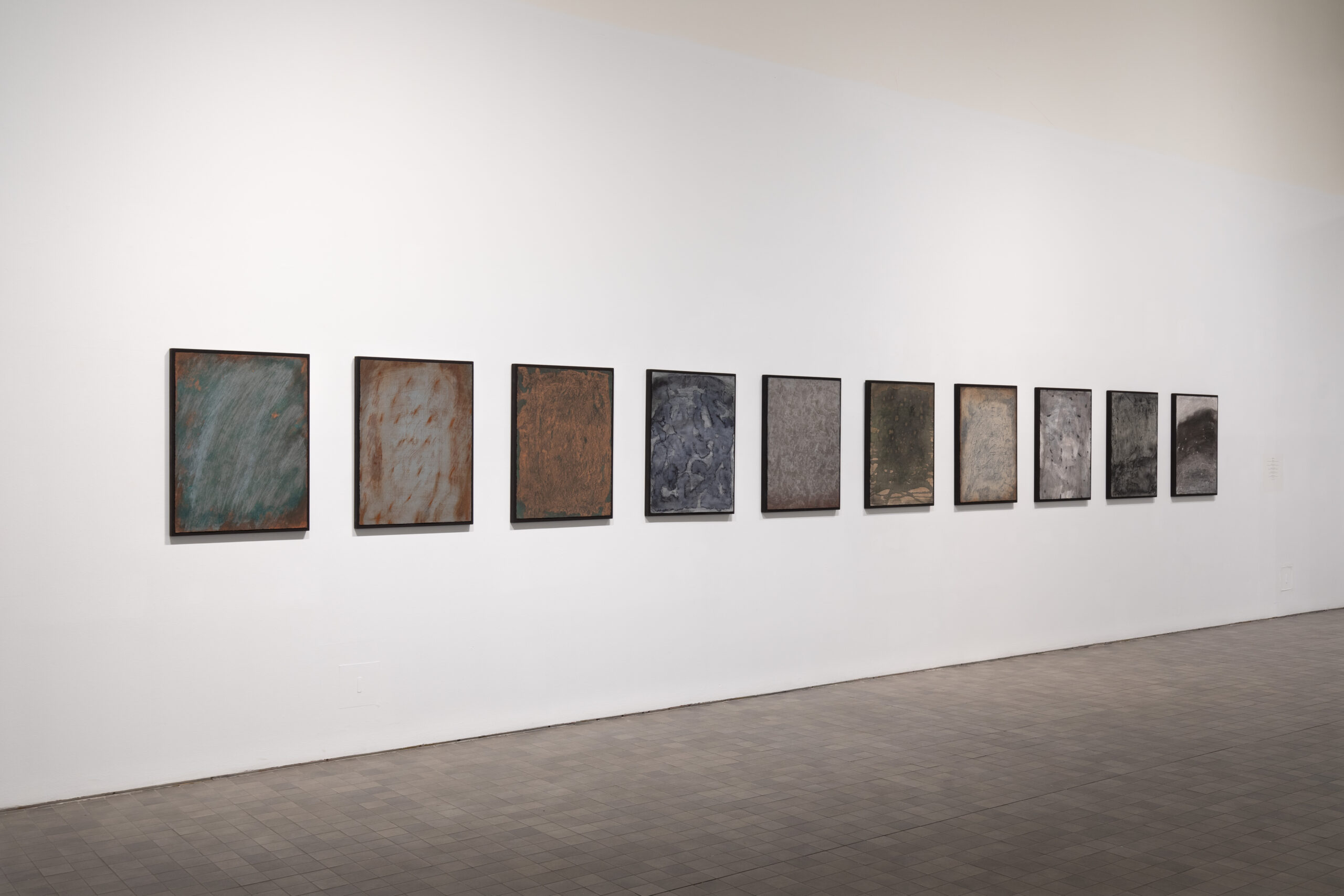
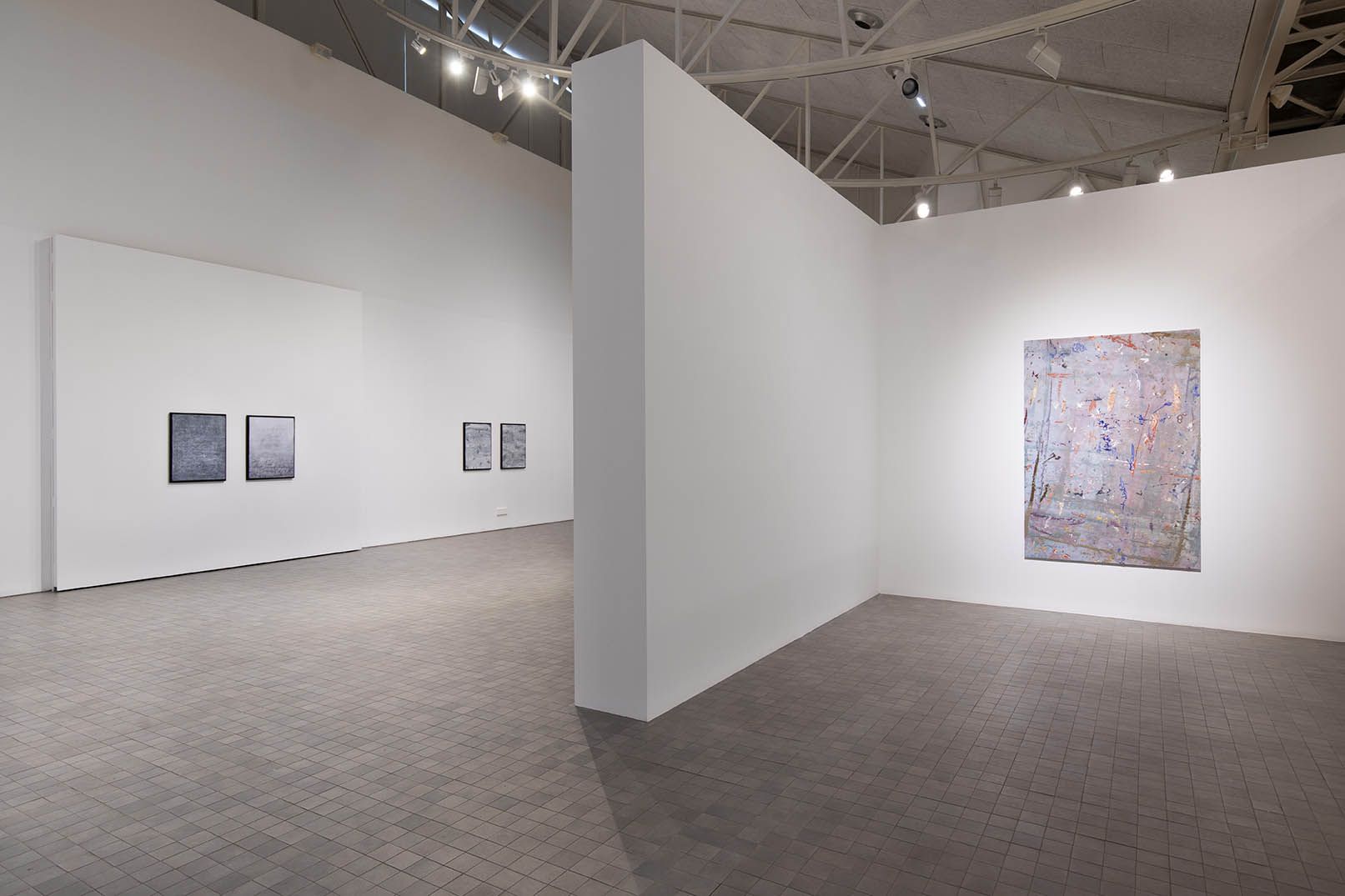
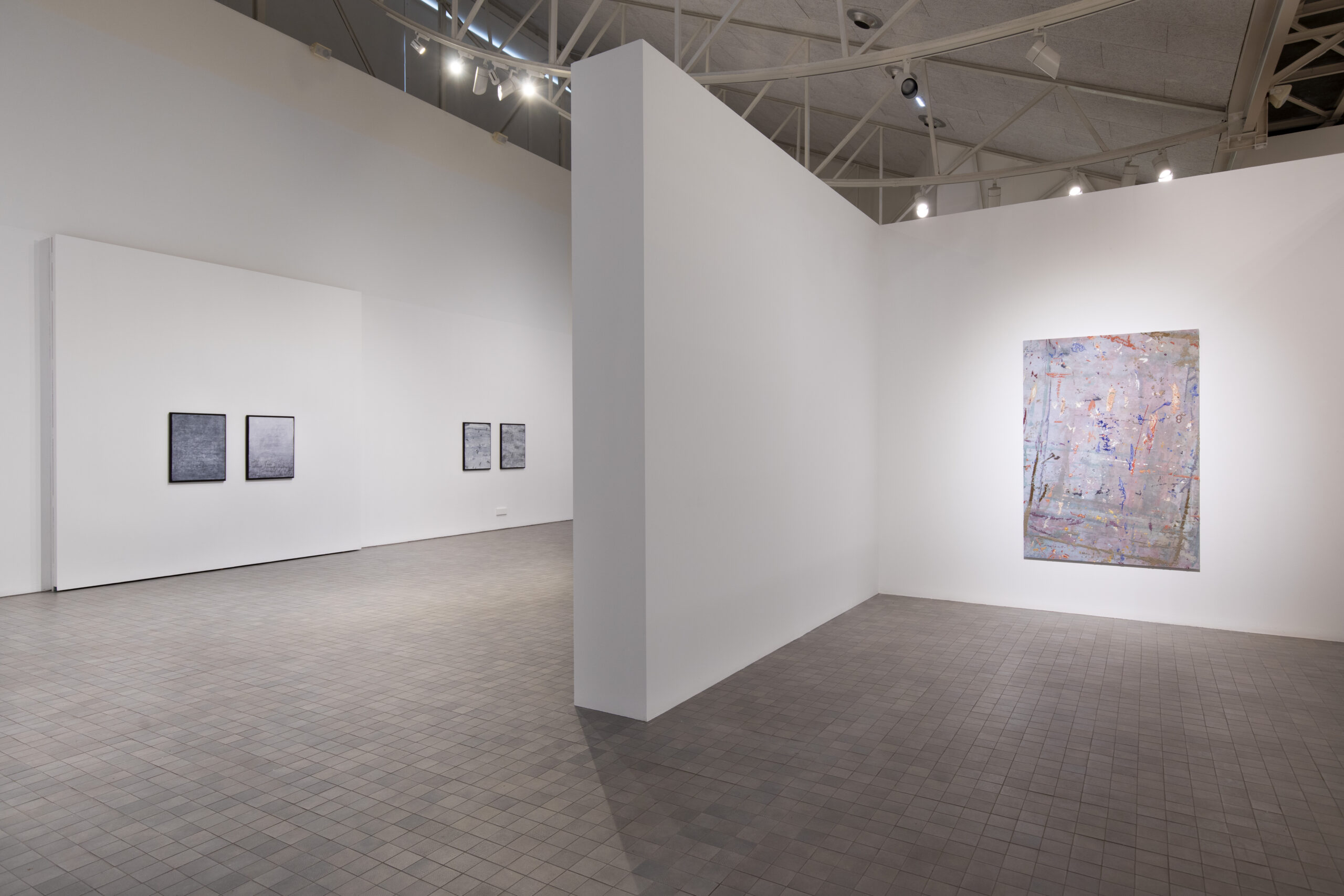
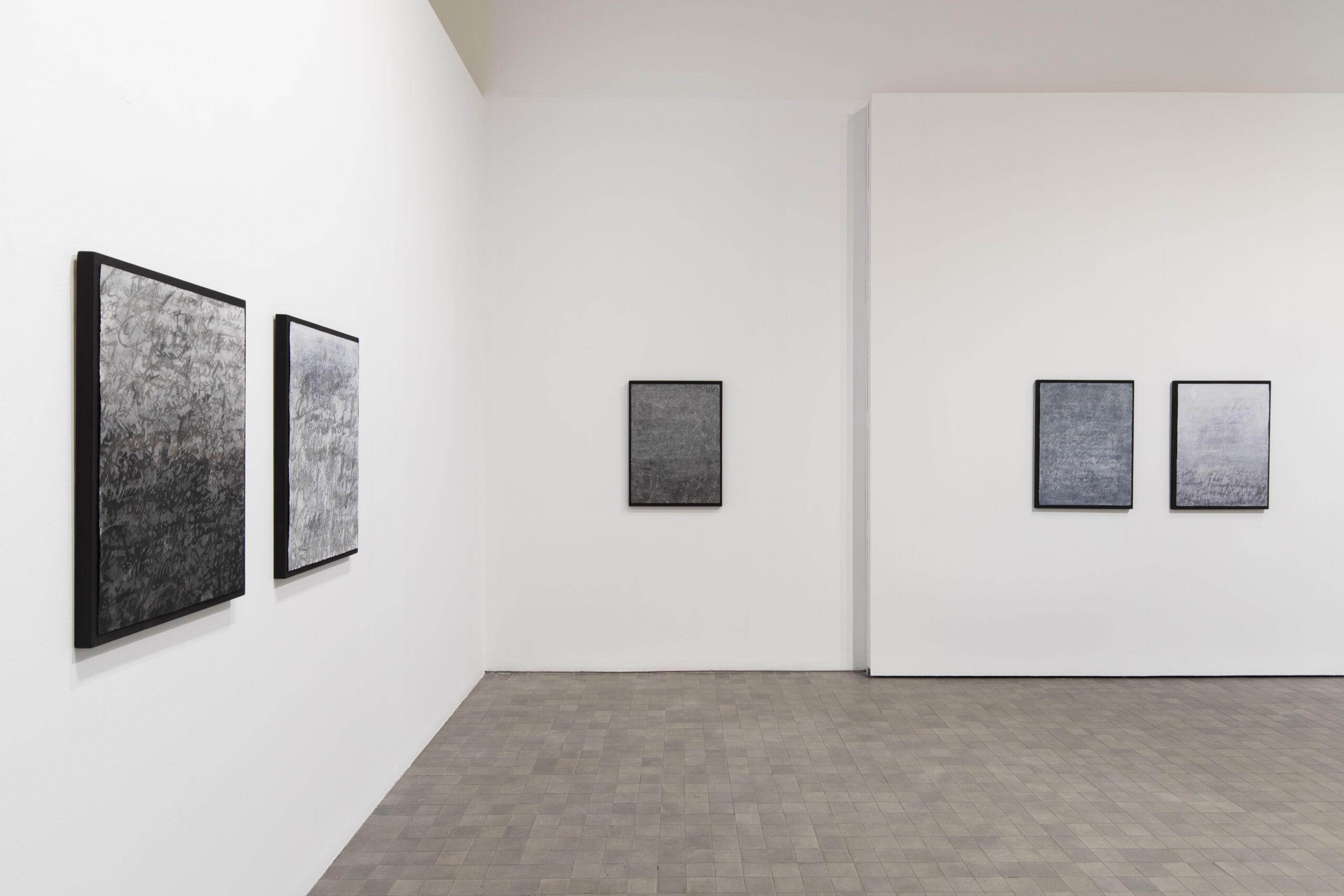
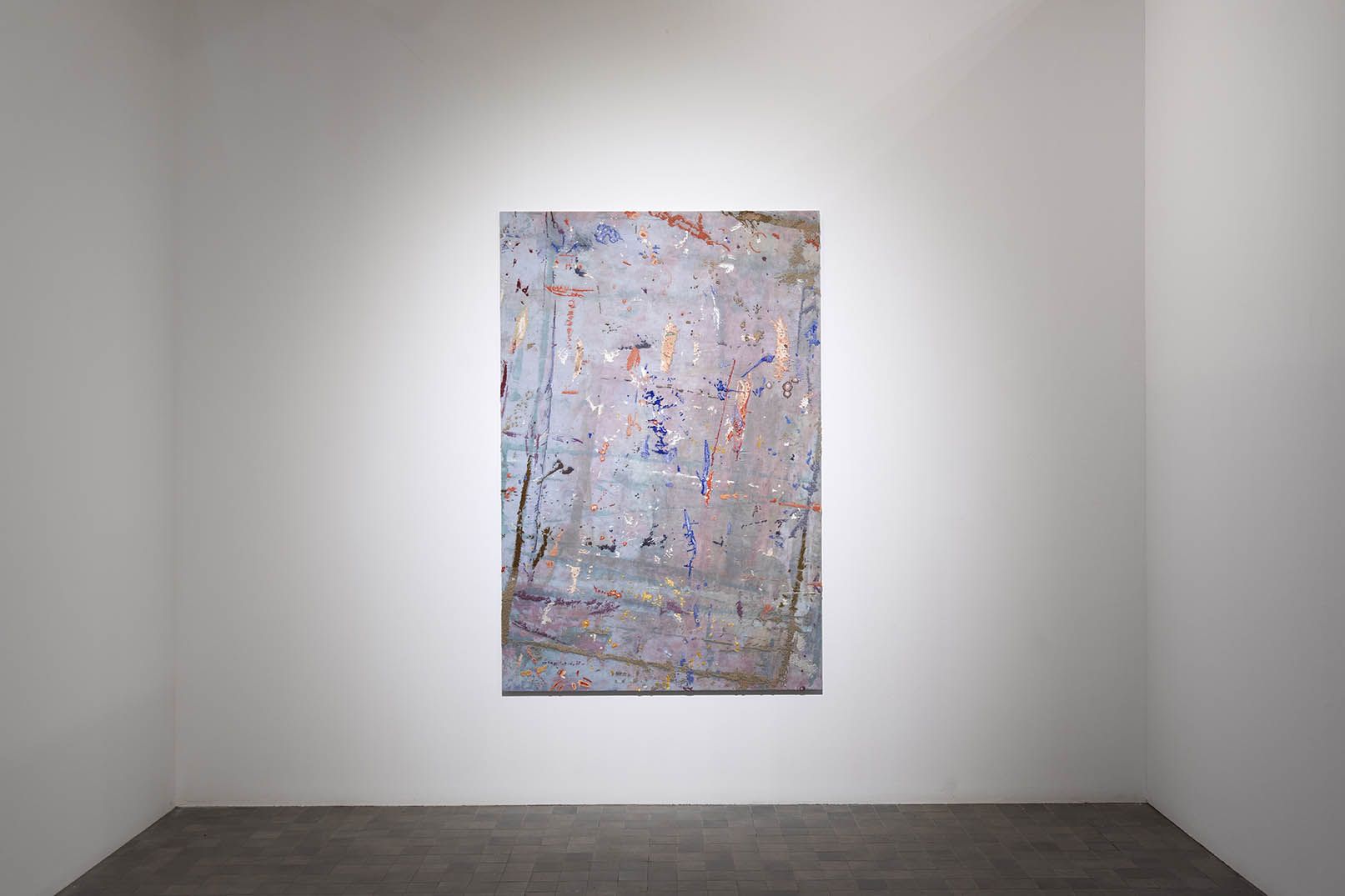
Souvenir d’exil, exposición individual en el IAAC Pablo Serrano, Zaragoza comisariado por Chus Tudelilla, 2025
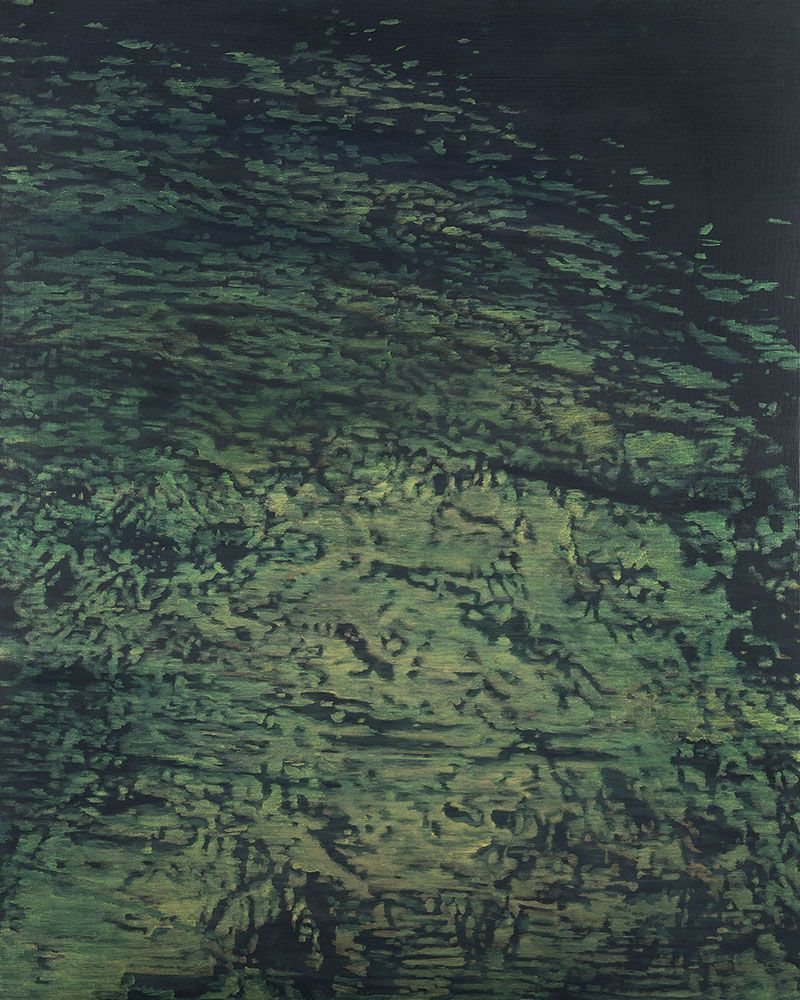
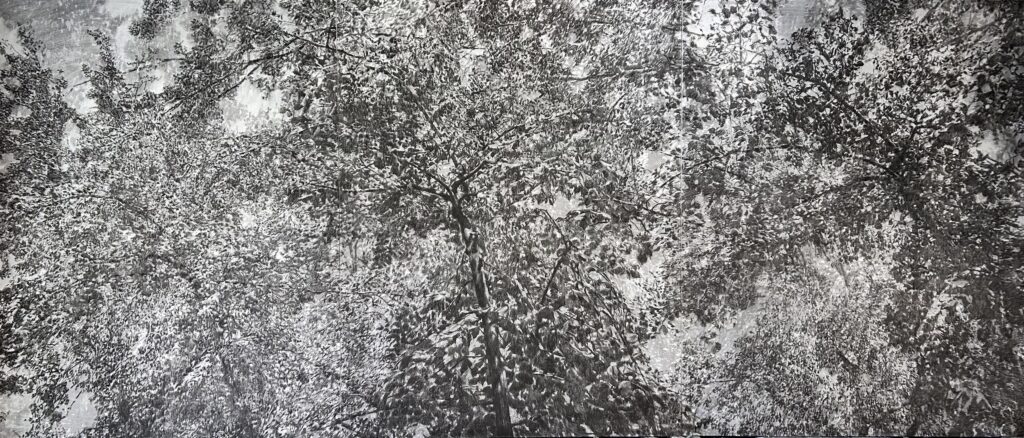
El proyecto Souvenir d’exil comenzó en 2019 cuando Louisa Holecz pintó Clotho, en alusión a la escultura de Camille Claudel y al jardín del manicomio de Montdevergues donde la artista murió en 1943, tras un encierro de treinta años. Existen fotografías de aquel jardín, pero ¿cómo lo veía y sentía Camille Claudel? Louisa Holecz lo pinta seco y estéril como las hebras que surcan hirientes el cuerpo de Clotho, la moira del destino.
Clotho marcó el inicio de un profundo y complejo ejercicio de reflexión pictórica en la trayectoria de Louisa Holecz, al que acompañó el estudio del legado de Camille Claudel, con el propósito de atender a las claves que singularizan su decisiva aportación a la escultura europea.
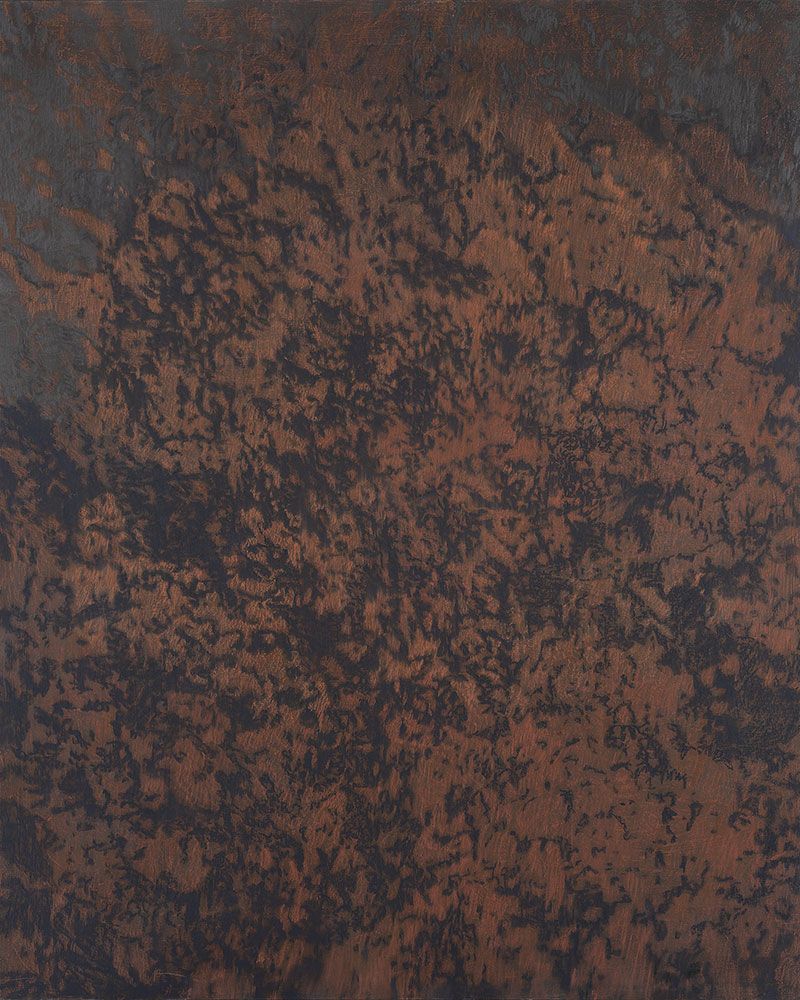
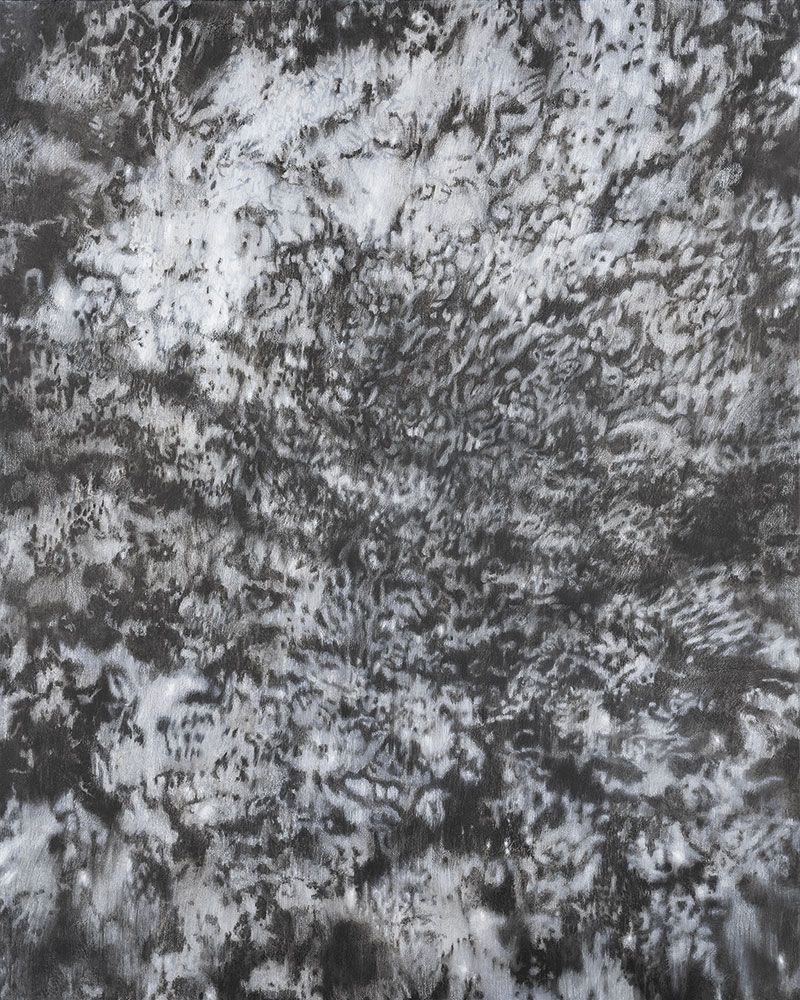
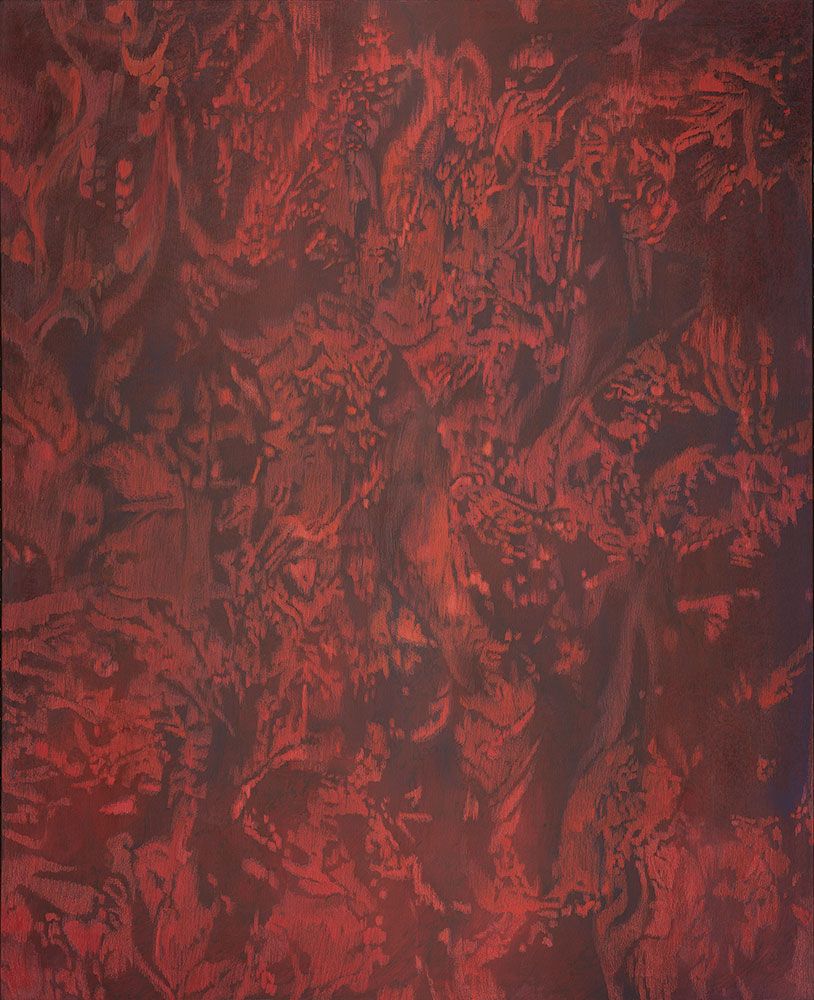
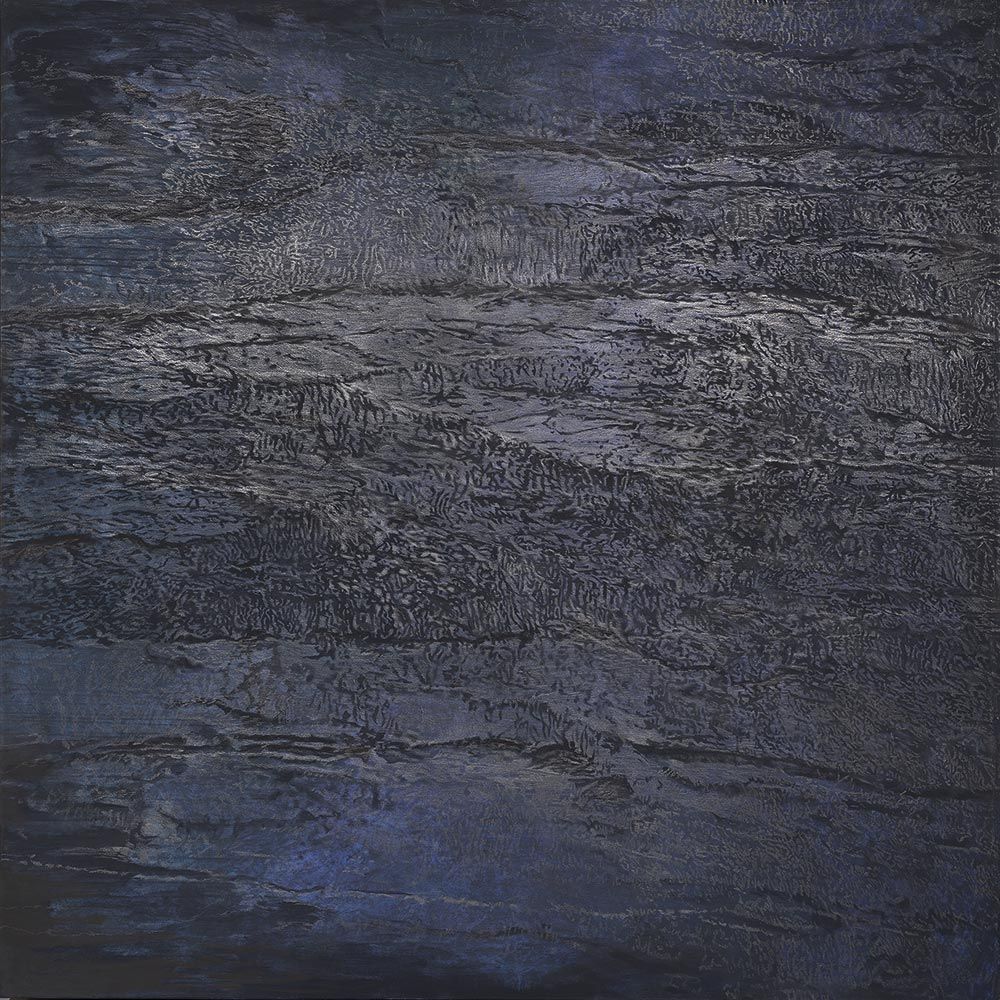
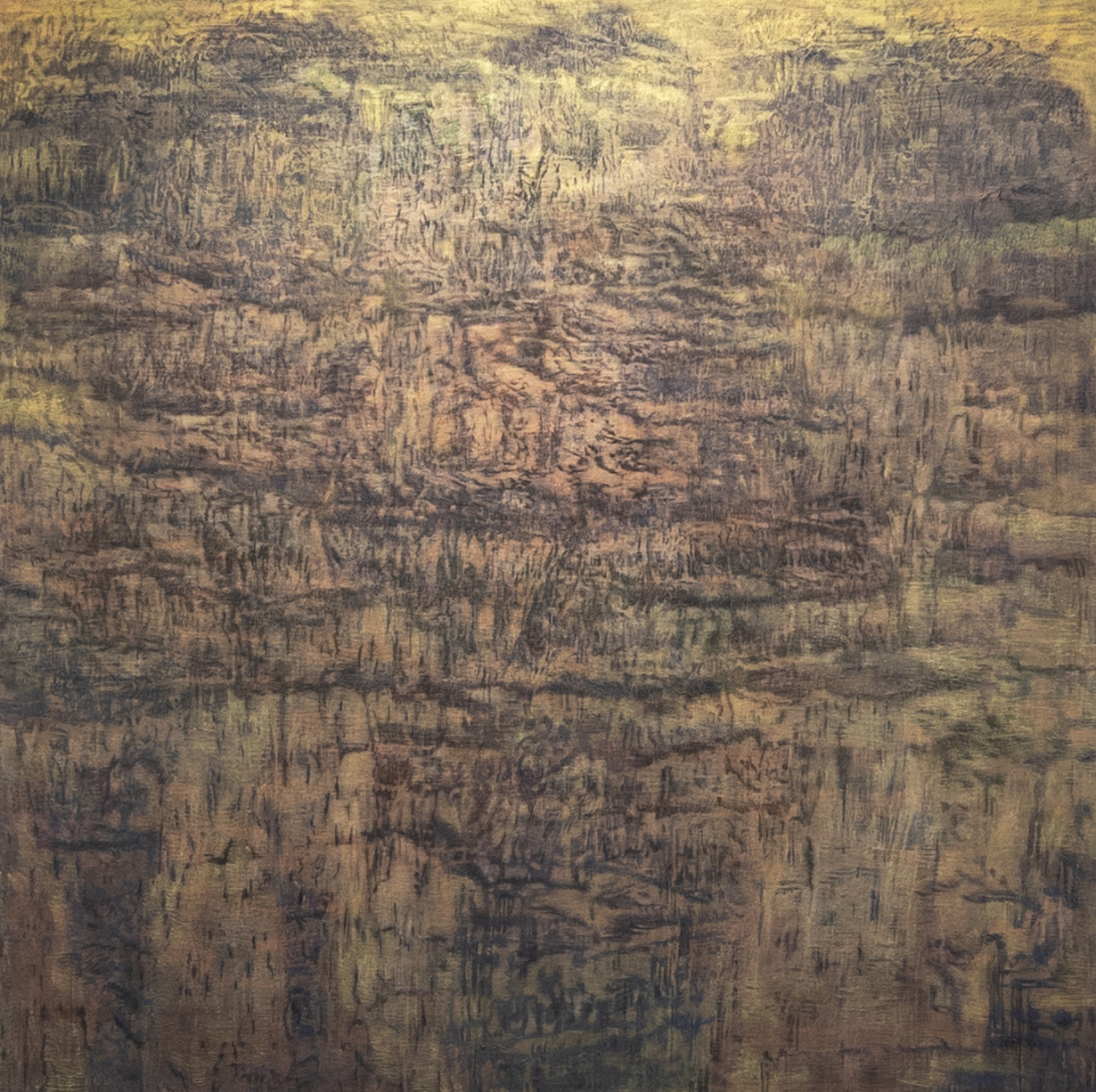
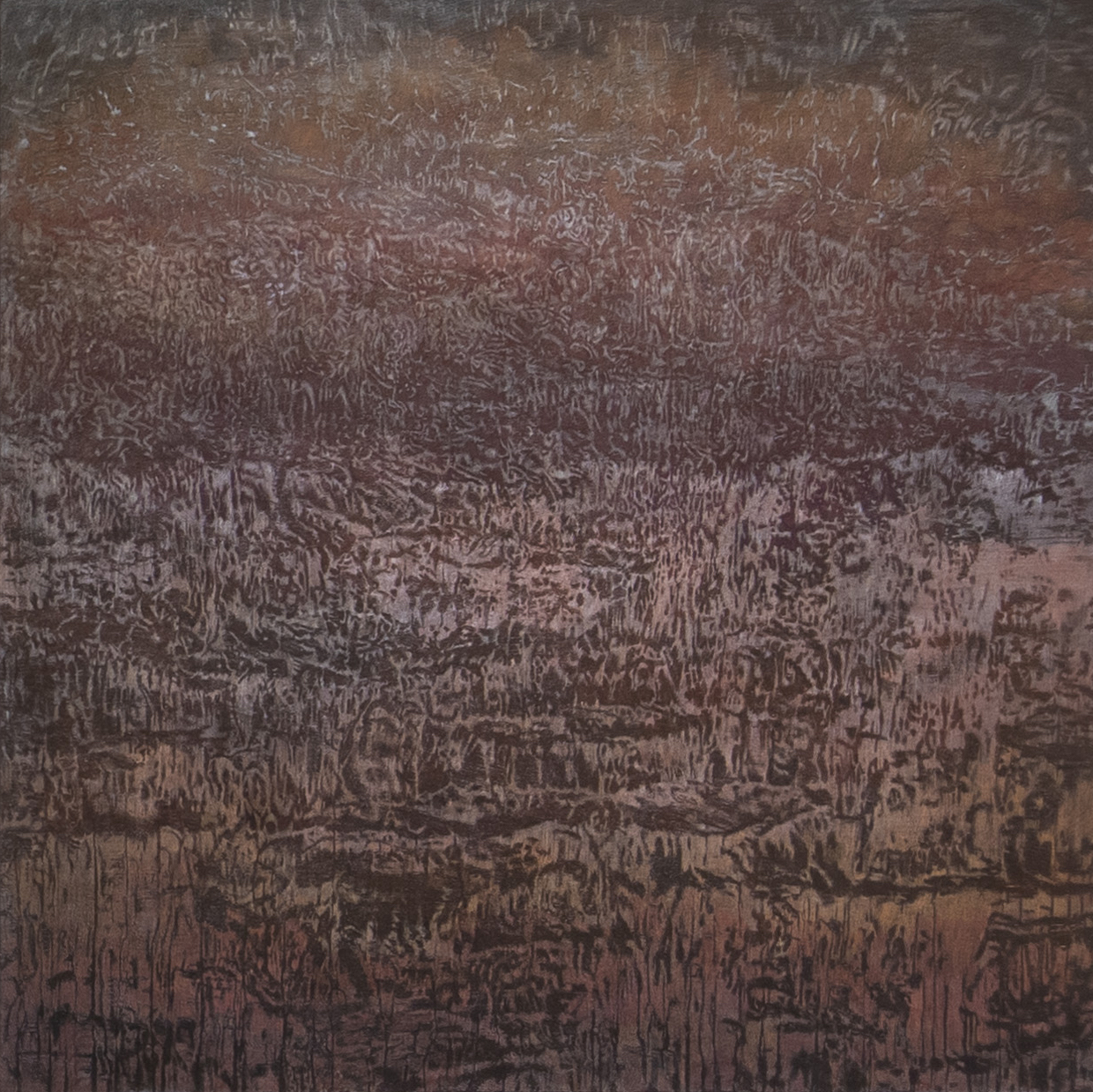
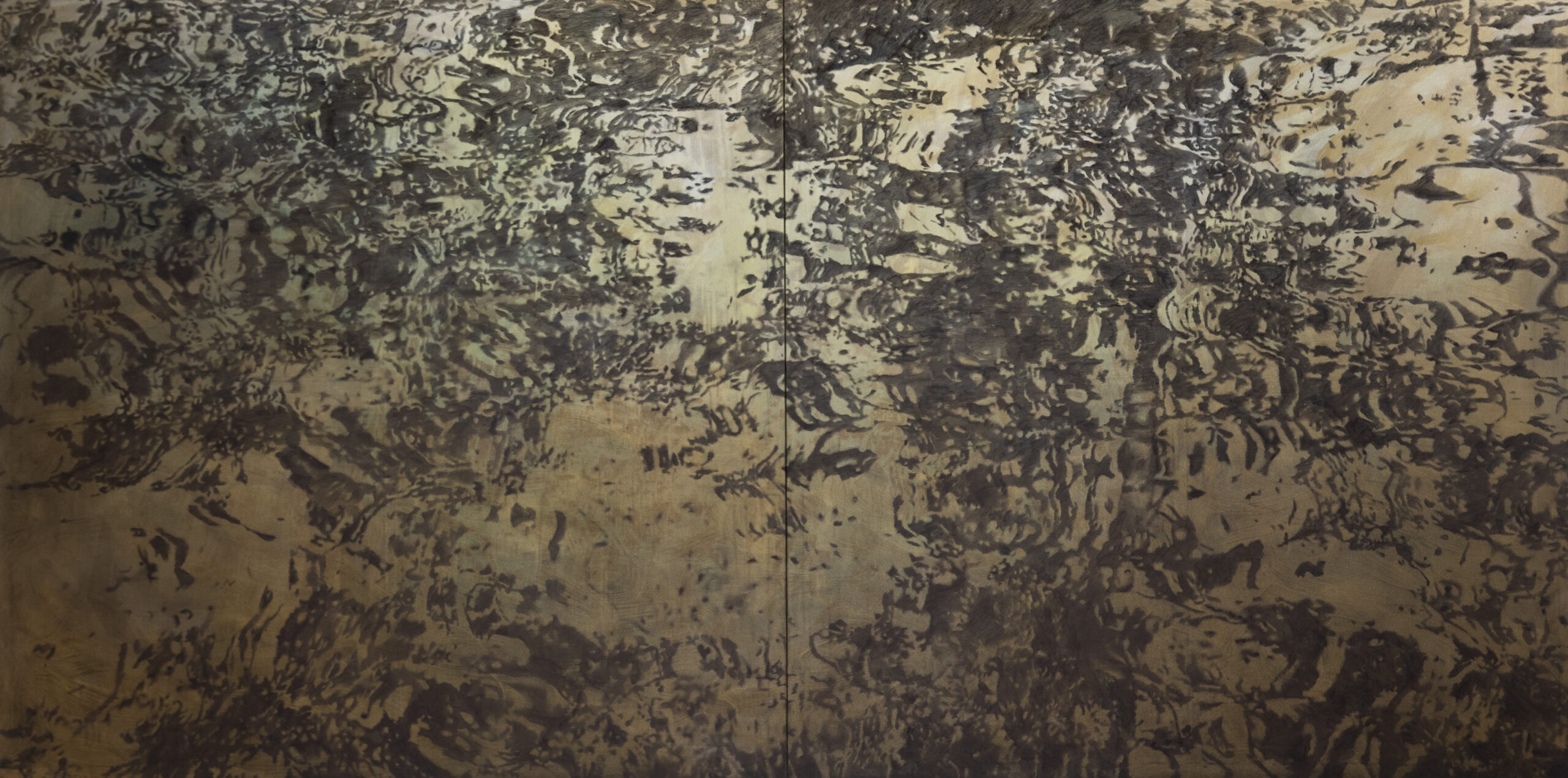
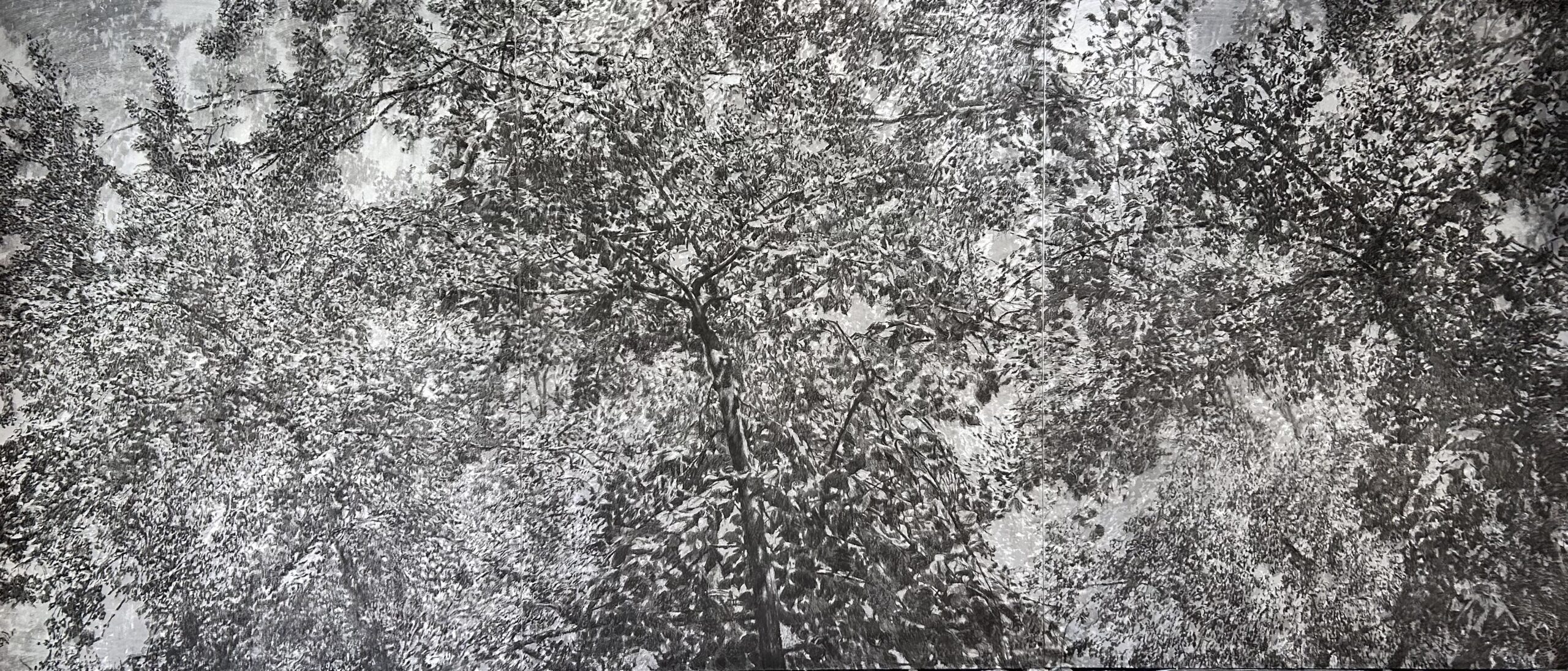
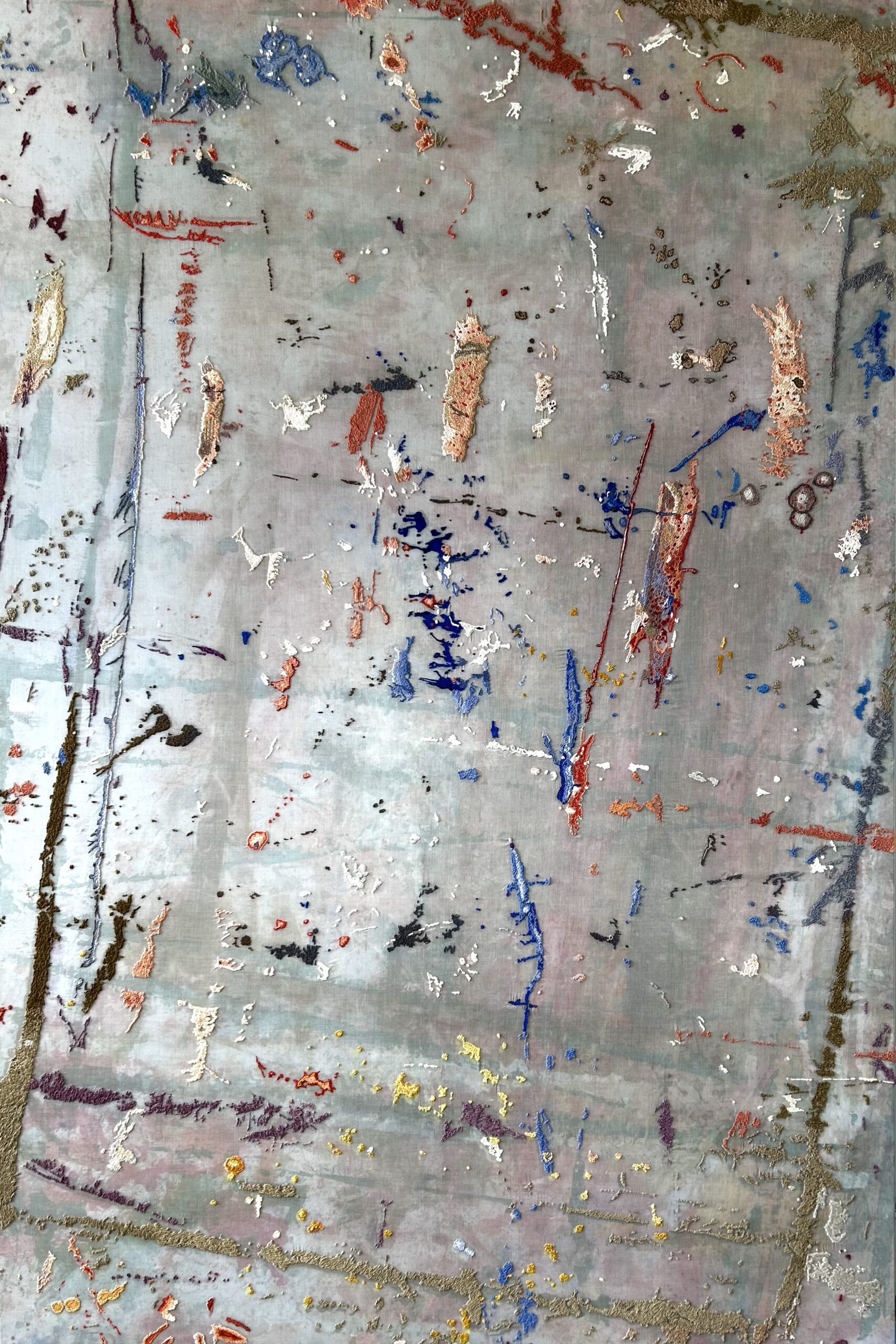
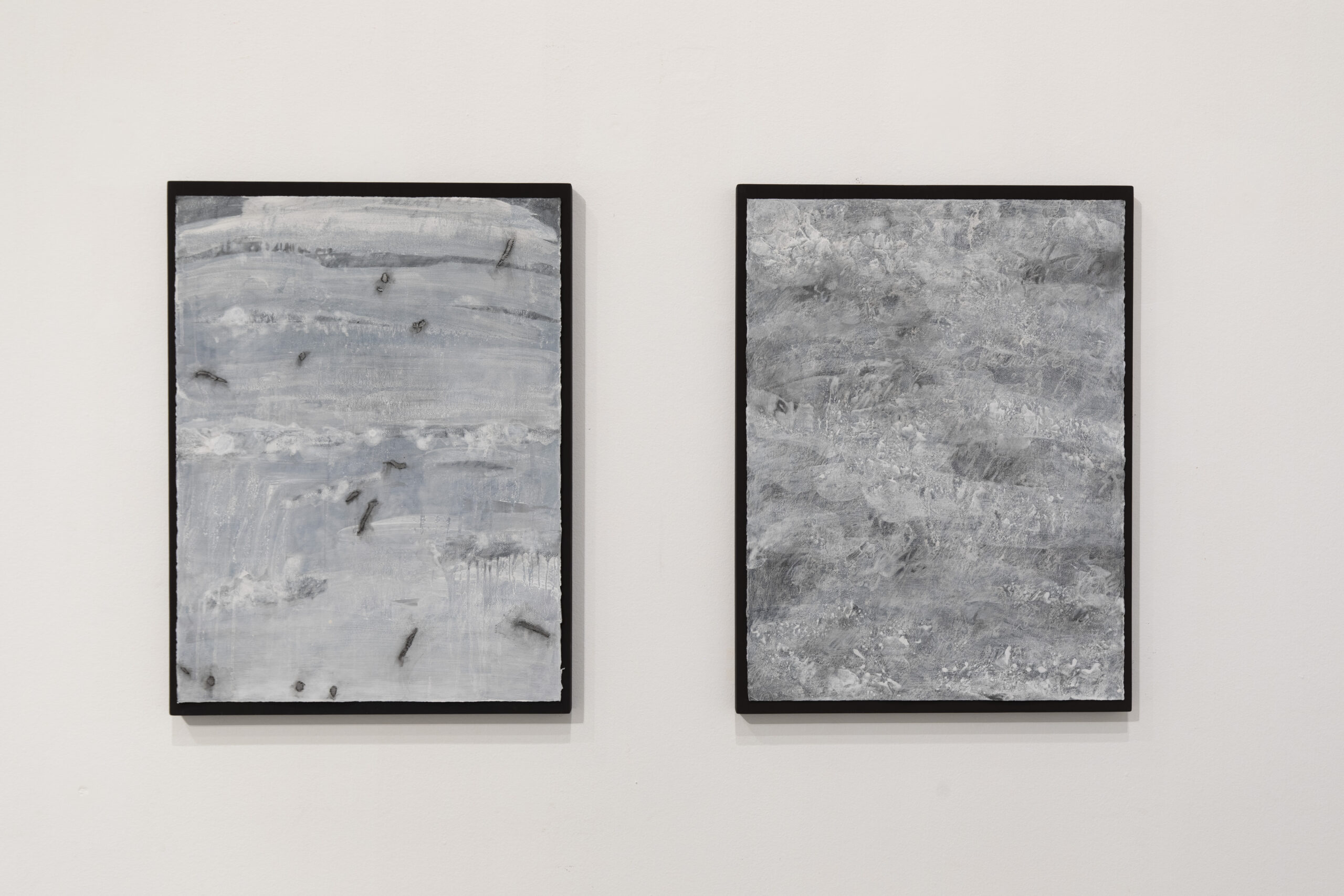
Las obras incluidas en el proyecto Souvenir d’exil configuran una cartografía visual, organizada en diferentes estadios que dan testimonio de la intensa meditación que Louisa Holecz realiza sobre la pintura desde el puro acto pictórico, una posición de vértigo, siempre al borde del naufragio, en el anhelo incierto de recuperar desde el imaginario la memoria de lo perdido.
[Chus Tudelilla]
ENG
The project Souvenir d’exil, began when I created the large scale painting entitled Clotho, inspired by the sculpture of the same name by Camille Claudel for the group exhibition Viaje al Manicomio at La Casa Amarilla gallery in 2019. The process of this painting and the finished result itself left a lasting impression on me and prompted me to continue in this line of artistic investigation until the present day.
My research led me to the disappointing discovery that Camille Claudel is seldom mentioned in standard texts in sculpture and surprisingly is even largely omitted from feminist literature. For example, Claudel is absent from R. Parker and G. Pollock’s Old Mistresses: Women, Art, and Ideology (1981). Even when her work is mentioned it is nearly always within the context of August Rodin. What’s more, to date, little literature on the artistic career of this brilliantly talented nineteenth-century French sculptress has been translated from French into English or Spanish.
The project Souvenir d’exil, attempts to deepen the understanding of Claudel’s work by studying her sculpture within a wider context of cultural influences of the Belle Epoque, and in doing so, my aim is to disentangle the appreciation of Claudel’s work from that of Rodin’s.
[Louisa Holecz]