ESP
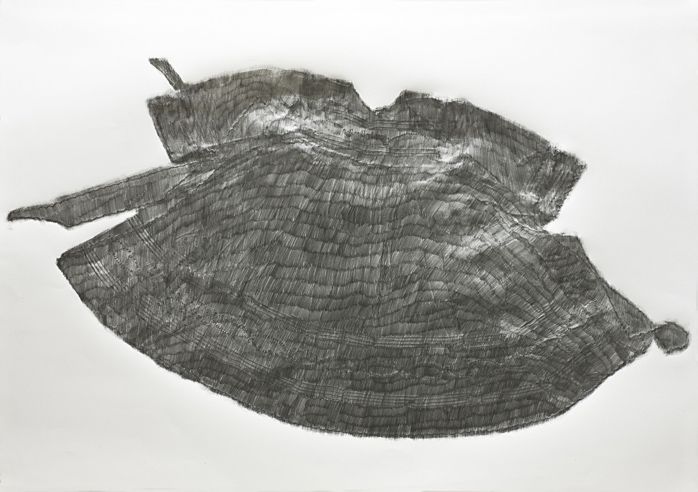
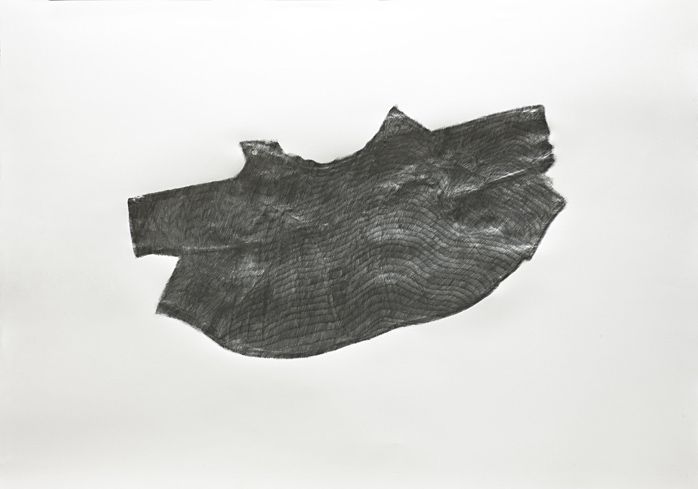
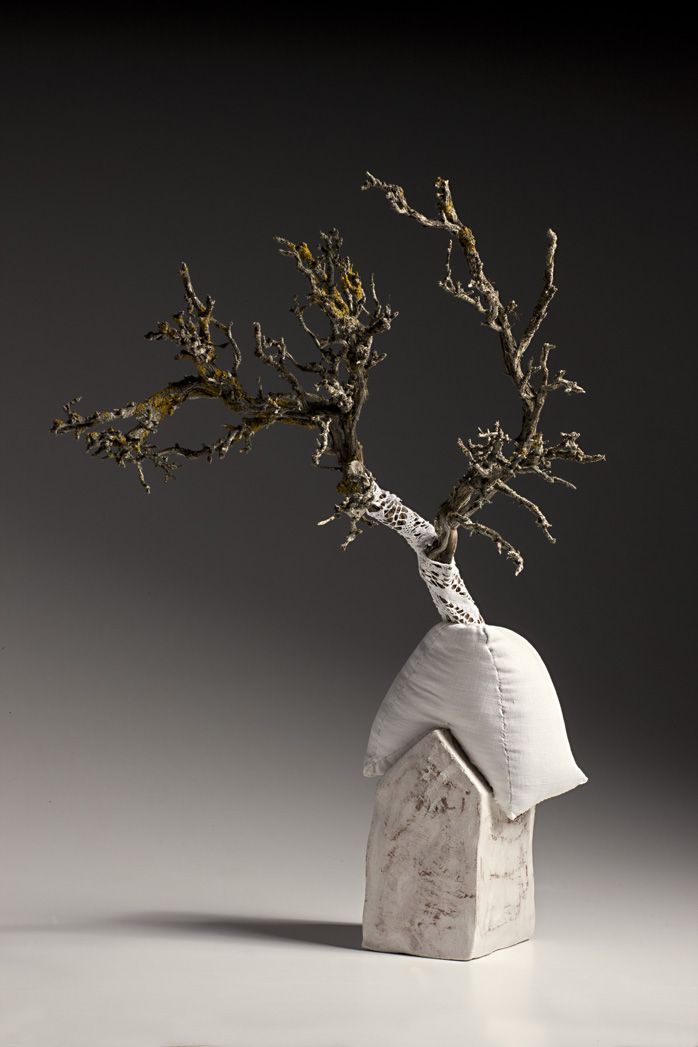
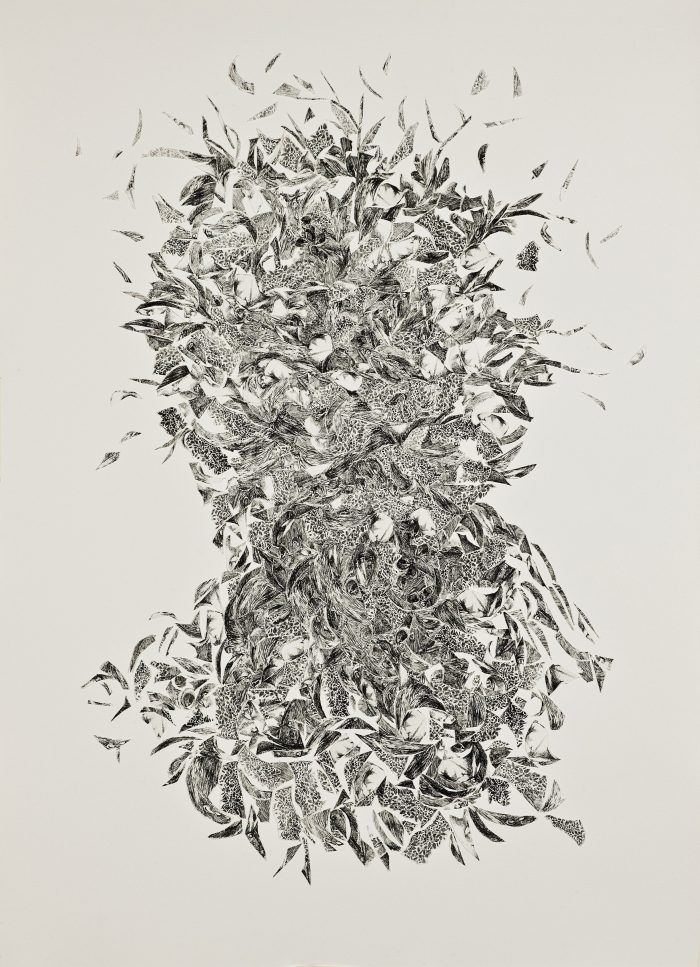
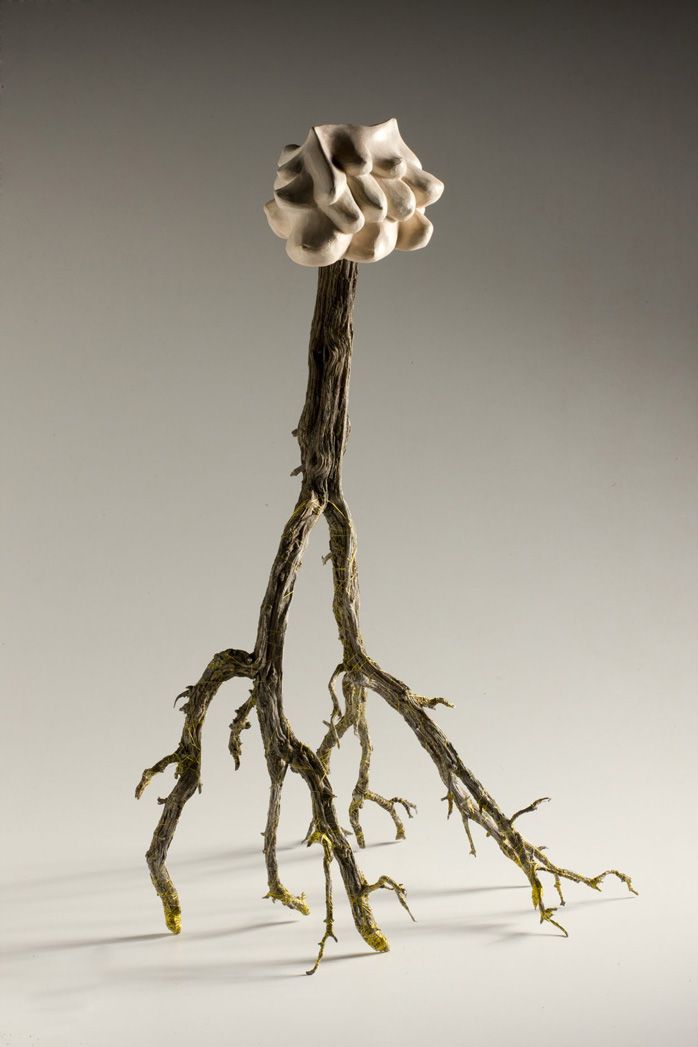
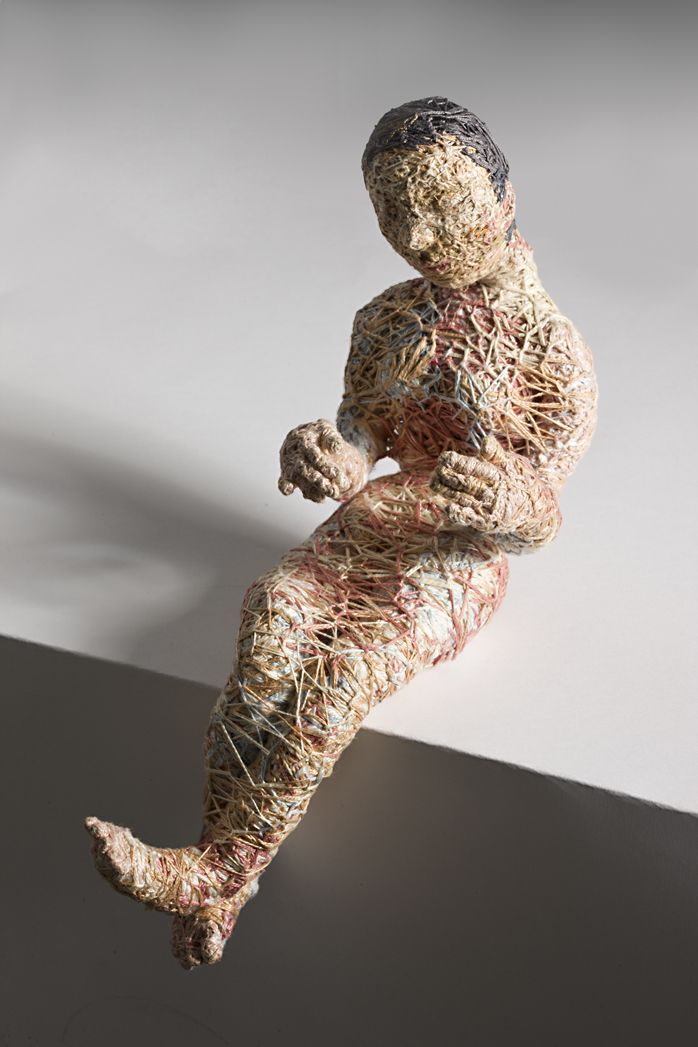
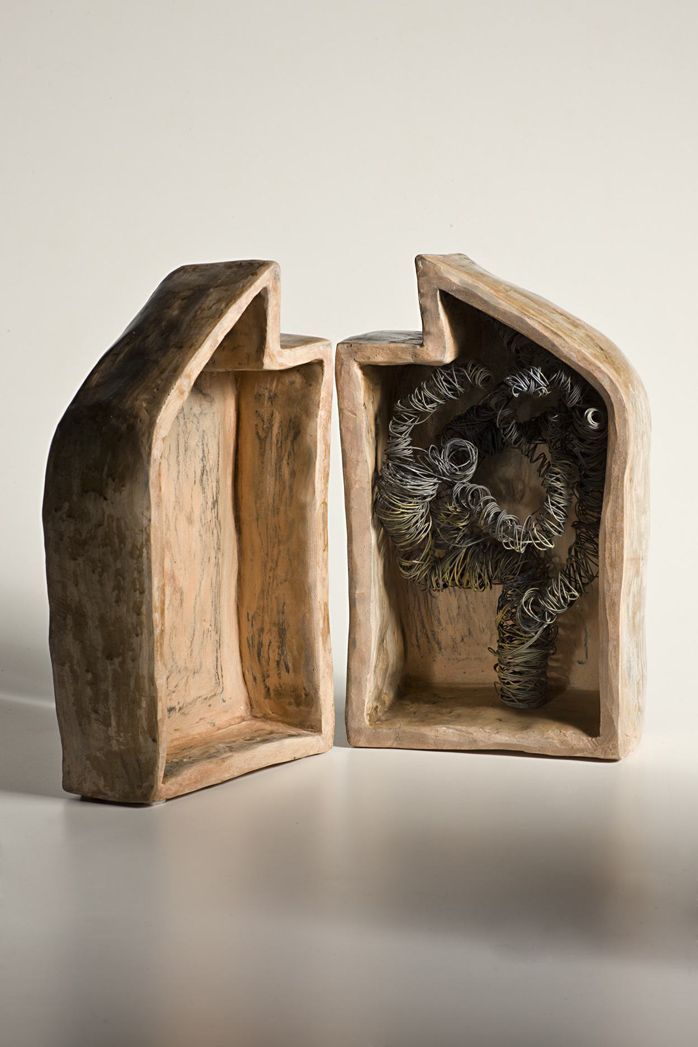
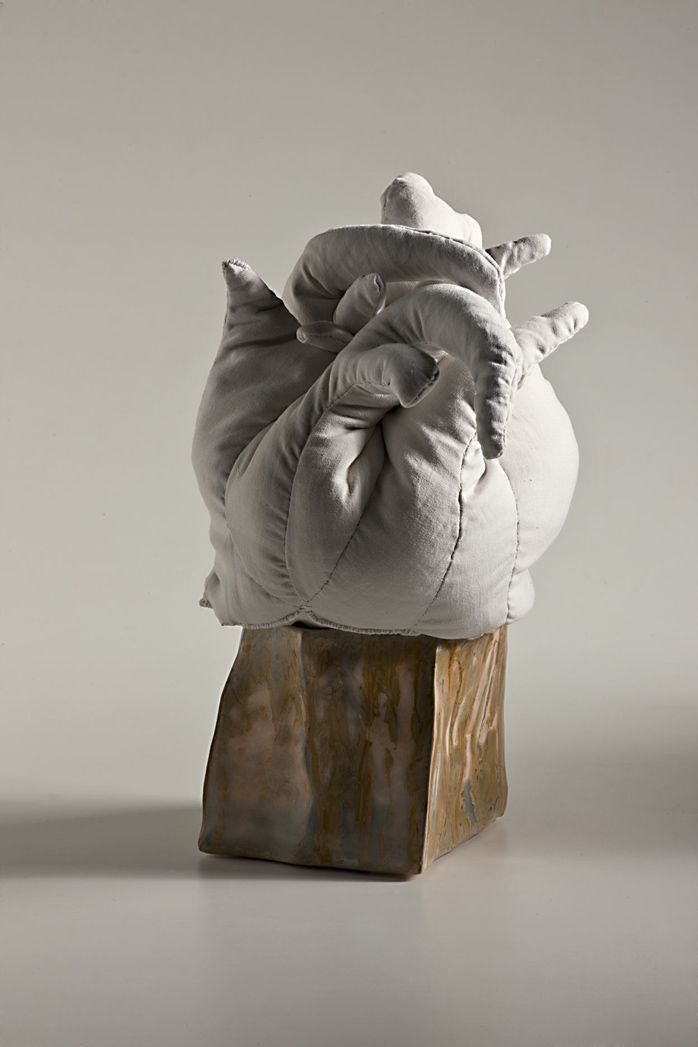
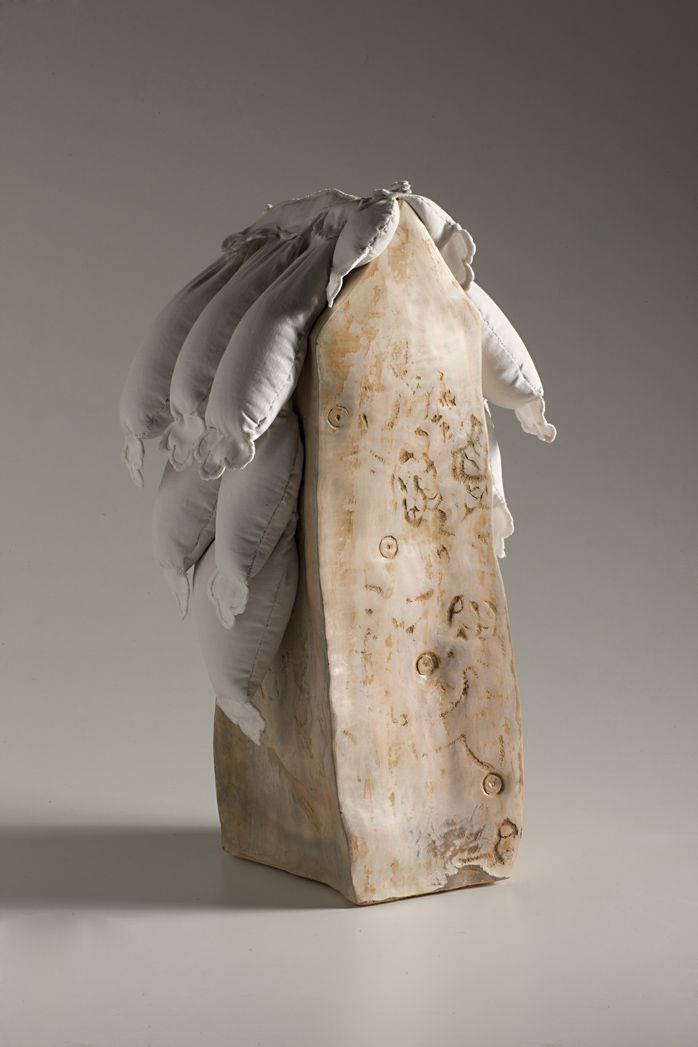
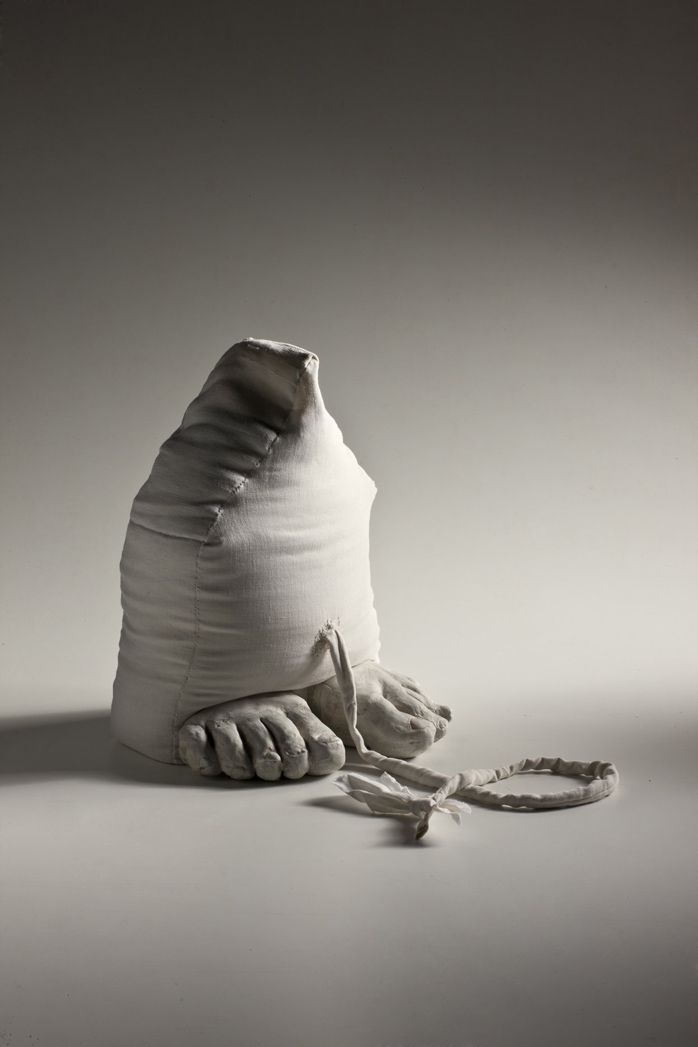
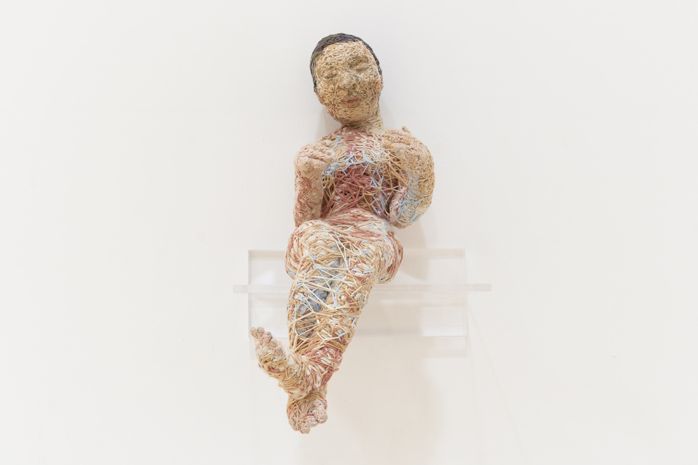
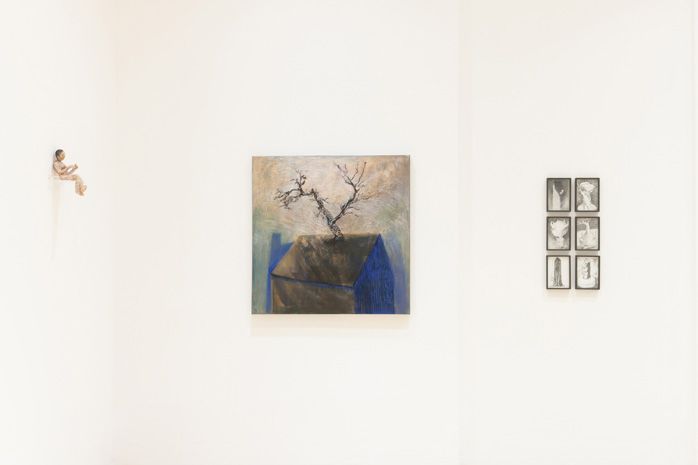
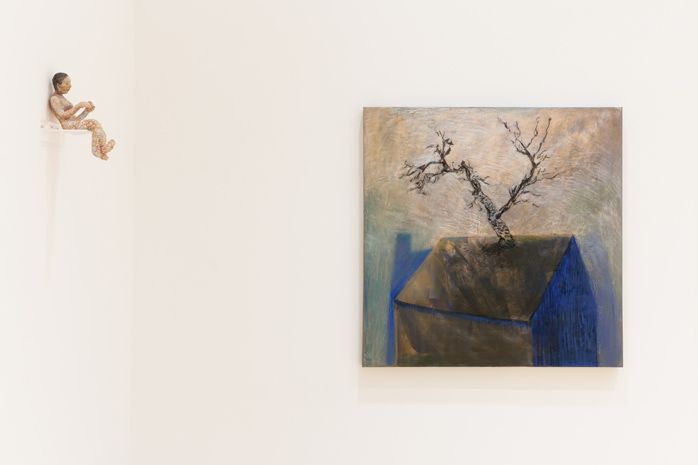
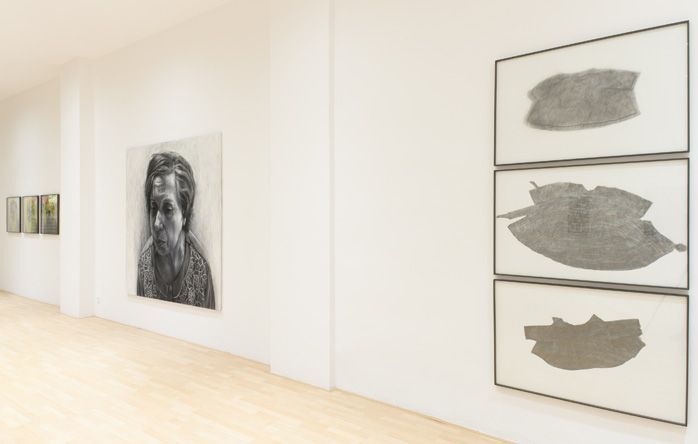
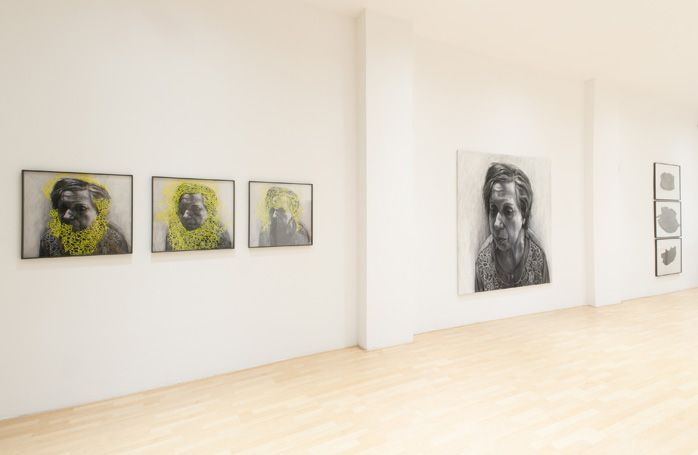
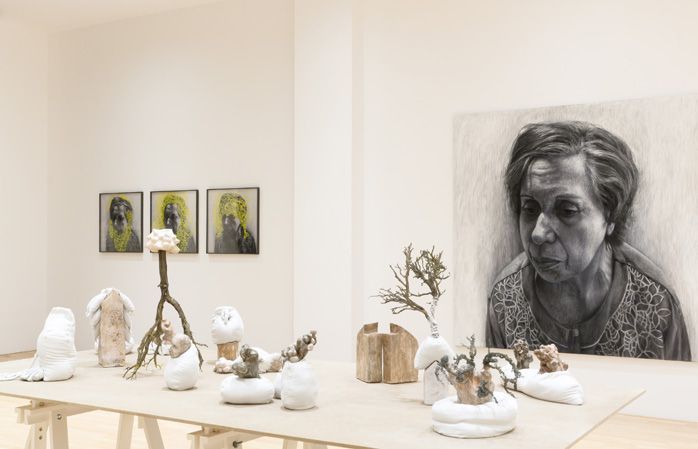
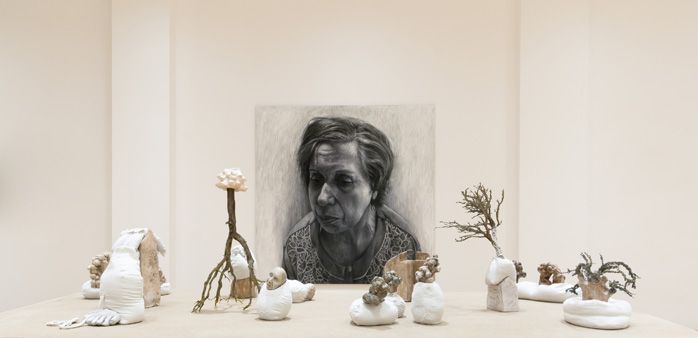
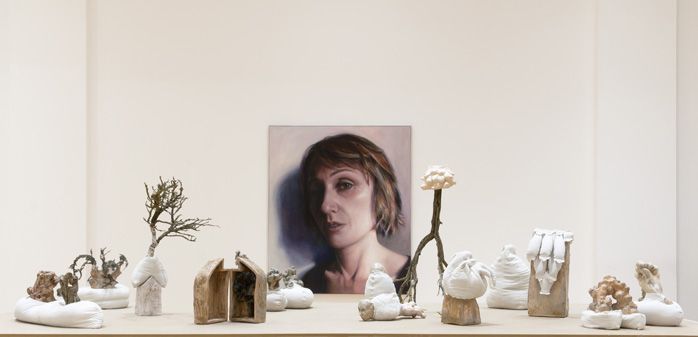
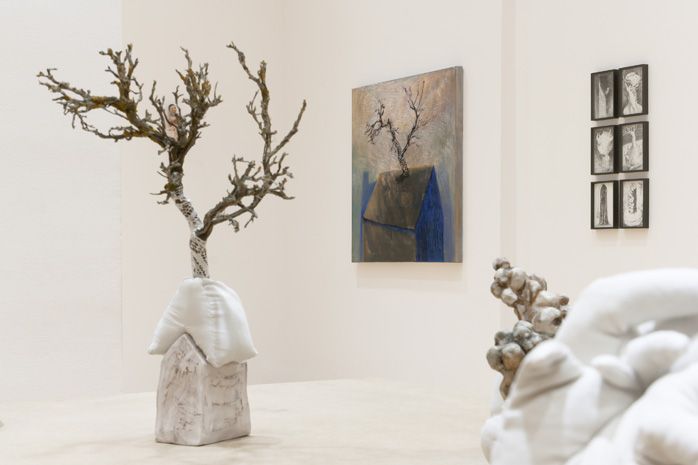
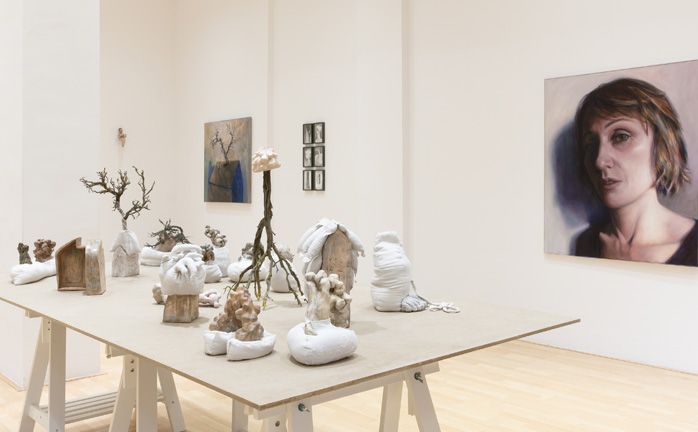
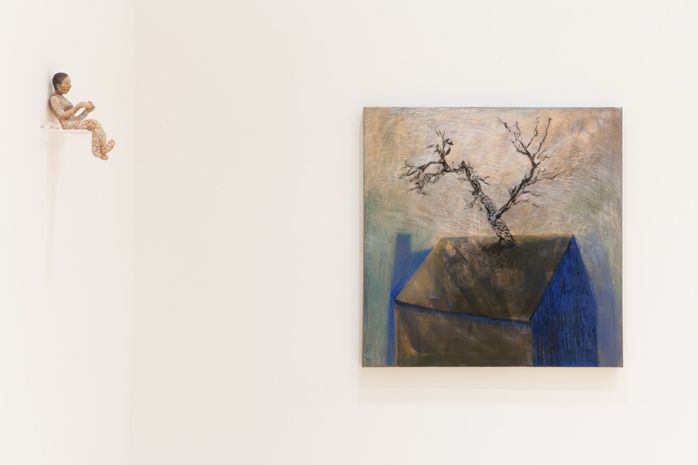
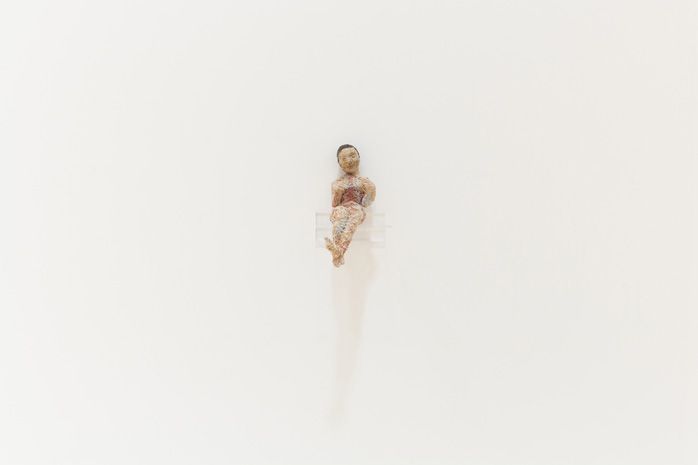
The Eyes of the Skin, exposición individual en la galería Carolina Rojo, Zaragoza, comisariado por Chus Tudelilla, 2015.
Hasta donde alcanza mi memoria, ha habido una importante relación en mi obra entre el dibujo y la escultura. De niña, la primera escultura que hice fue un juego de té en miniatura. Primero lo dibujé sobre papel, después lo modelé con una mezcla pastosa (resultado de un experimento al mezclar agua con polvo de talco) que dejé secar al sol sobre la repisa de una ventana. Pero lejos de ser valorada, mi madre me regañó por haber acabado con todo el polvo de talco de la casa.
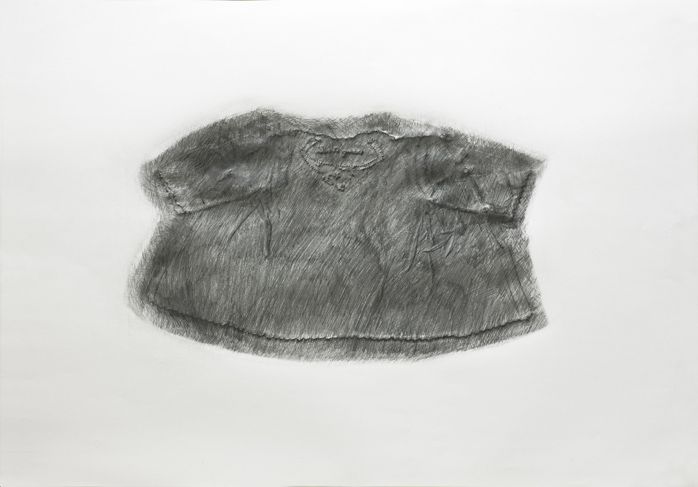
En la actualidad, sigo con el mismo método de trabajo: primero plasmo mis ideas sobre el papel y luego las convierto en objetos. Al transformar un pensamiento en objeto tangible estoy tratando de entender el porqué de su concepción inicial; lo que me ayuda a conocerme mejor y saber más de mi relación física con el mundo exterior.
La visión necesita la ayuda del tacto. En su libro Los ojos de la piel: Arquitectura y los sentidos, Juhani Pallasma escribe: «Los ojos quieren colaborar con los demás sentidos. Todos los sentidos, incluyendo la visión, pueden considerarse como extensiones del sentido del tacto, como especialidades de la piel. Ellos definen la interfaz entre la piel y el entorno, entre la interioridad del cuerpo opaco y la exterioridad del mundo».
ENG
For as long as I can remember, there has been an important relationship between drawing and sculpture in my work. As a child, the very first sculpture I made was a miniature tea set. Sketched first onto paper, then modelled out of a clay-like paste (made by experimentally mixing talcum powder and water) and finally left to dry in the sun on a window ledge. Instead of being rewarded for my ingenuity, I was scolded by my mother for using up all the talcum powder.
Years later, the transition of my work from a figment of imagination, into a two-dimensional drawing and finally a three-dimensional object, still forms part of my working method. By transforming thought into tangible object, I am attempting to understand the reason behind its initial conception; this in turn helps me to understand more about myself and my physical relationship with the external world.
Vision needs the help of touch; the senses of sight and touch are intrinsically linked. As Juhani Pallasmaa remarks in his book The Eyes of the Skin: Architecture and the Senses, «The eyes want to collaborate with the other senses. All the senses, including vision, can be regarded as extensions of the sense of touch – as specialisations of the skin. They define the interface between the skin and the environment – between the opaque interiority of the body and the exteriority of the world.»
[Louisa Holecz, 2015]